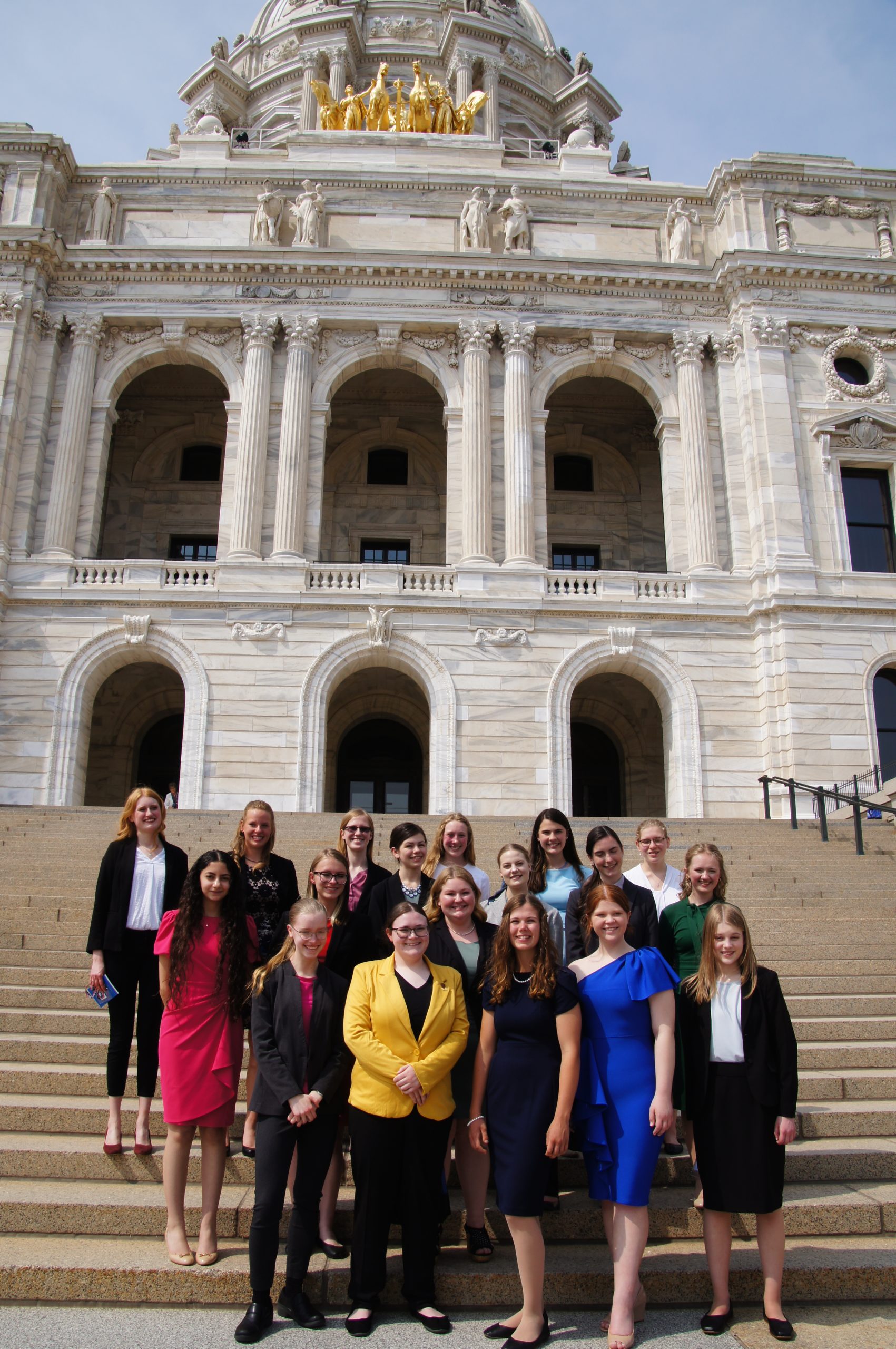
Research, Writing & Practicing
researching the speech
Use a broad range of reputable sources of information; a speech based largely on a Wikipedia article won’t score well.
You will be expected to cite sources for the information and quotations used in your speech. Crediting sources will require you to keep track of those sources throughout the research phase of your speechwriting. Find a method for doing so and use that method scrupulously.
writing the speech
Know how a persuasive speech (an oration, as it’s sometimes called) differs from an informative speech. As part of your effort to persuade, you will also inform, but your task is to give a persuasive speech. There are many online resources to guide you.
Give your speech a clear structure. Online sources can help you to learn the components of a persuasive speech. As you write, highlight your speech’s structure with signposting.
Remember that you are writing to be heard, not to be read. Use shorter sentences. Employ repetition and other rhetorical devices. Work to weave source cites gracefully into the text of your speech.
You must reveal the sources of information and quotations used in your speech but do so in a way that does not interrupt the flow of your ideas. Keep in mind that a speech’s source cites need not be as detailed as those in a printed document.
practicing the speech
View the Judge’s Ballot to familiarize yourself with the judging criteria.
Practice establishing and maintaining a confident stance. As you begin your speech, your feet should be planted squarely on the floor, a little less than a shoulder’s width apart, with weight evenly distributed on both feet. Never yield to the temptation to cross your legs or shift your weight to one side or the other. Doing so communicates lack of confidence or disinterest.
Practice projecting your voice in rooms of different sizes. You must make yourself clearly heard in every corner of whatever space you are assigned to speak. The State Capitol rooms where some preliminary rounds will be held are of various sizes. There will be no microphones in those rooms.
Each competitor will also have the opportunity to speak from the podium of the historic House of Representatives Chamber. You will use a microphone in that vast space. The three speakers who advance to the final round will speak in Capitol Rotunda, which will also require the use of a microphone.
There will be no opportunity to practice with the House Chamber or Rotunda sound systems. If possible, find and practice with a microphone during your preparation for the competition.
Be aware that there may not be a podium for use by speakers in rooms used for preliminary rounds. Each competitor will use the podium when she speaks in the House Chamber. The three speakers who advance to the final round in the Rotunda will speak from a podium. Prepare by practicing for each situation.
If you intend to use a script or notecards as you deliver your speech, practice so those items do not interfere with your delivery. The script or notecards should not hide your face, impair your ability to gesture or distract from your message.
Practice until you are consistent with the delivery time for your speech. During the competition, the timekeeper in your round(s) will signal the end of your eight-minute time allowance. You will be permitted to finish ONLY the sentence you are speaking when time expires. Judges are. instructed to penalize speakers who continue beyond that point. Be aware that judges may also penalize a speech that is significantly shorter than eight minutes.
Use your face and body to help you communicate. Facial expressions, head movements, and hand and arm gestures should seem natural, not practiced; they should connect to and enhance the content of the speech. Likewise, movement (transitional steps) should serve a communicative purpose—to point out a transition from one key point to another, for example. Avoid random pacing.
best wishes for your speech
The organizers of Speaking Proudly are grateful for your interest in this year’s competition.
To speak in our magnificent Minnesota State Capitol about issues that matter to you will be, we hope, a highlight of your high school career. We are eager to welcome you and your family to the Capitol for a successful and memorable experience.

2027 TOPIC
topic description goes here
past winners
Adelaide Dixon-2025
Francesca Chastek-2023
Lili Imm-2021
Meaghen McManus-2019